Conceptual History
history
Computing Interfaces and
Human-Computer Interaction
1945 — As We May Think
Dr. Vannevar Bush envisioned several concepts that would later form the basis of computing in the information age and digital revolution. In this seminal essay, he conceived of an analog computer, the Memex, which laid a remarkably prescient blueprint of concepts such as personal computing, hypertext and the world wide web


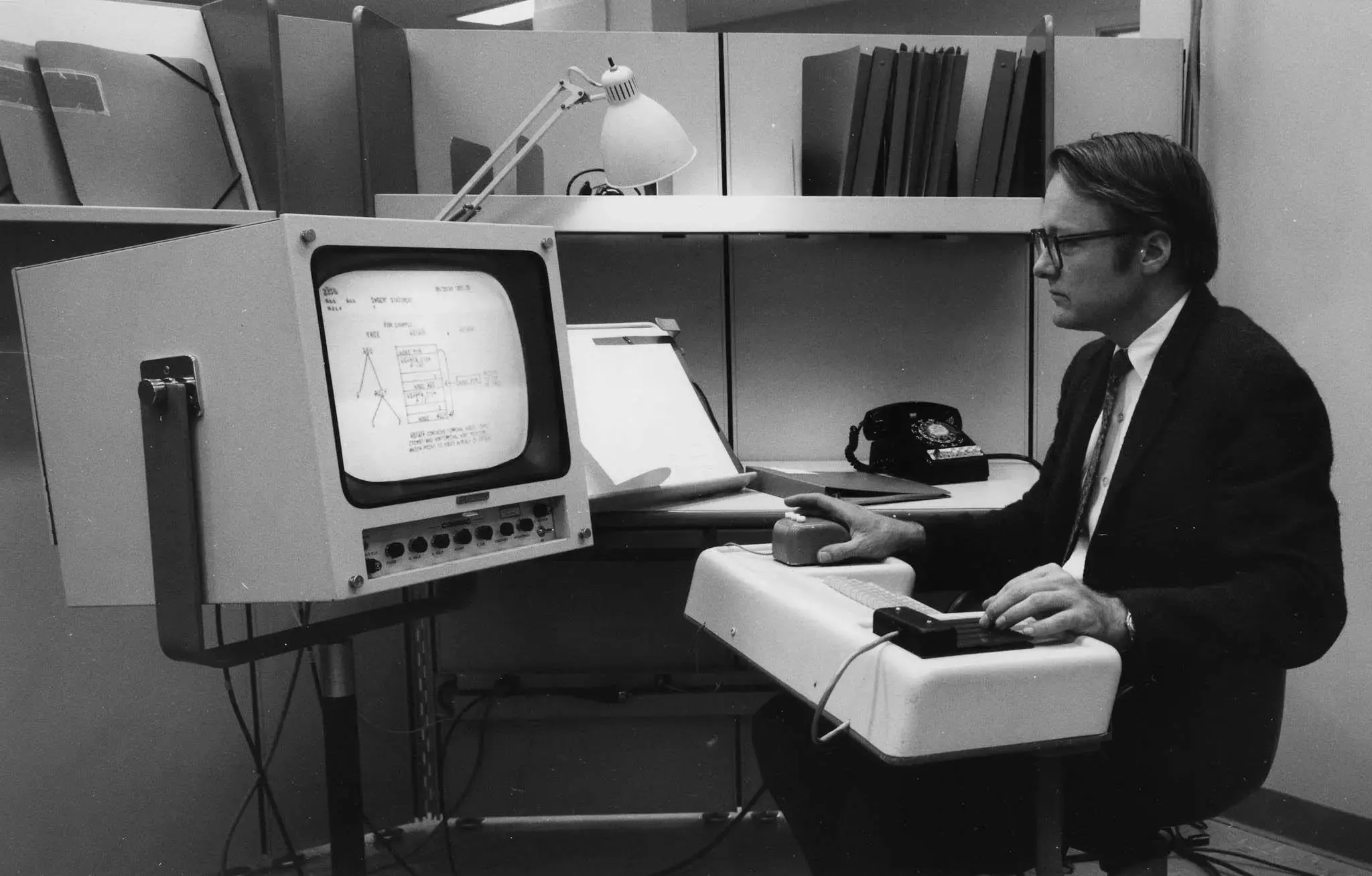
1968 — Mother of All Demos
Douglas Engelbart’s groundbreaking presentation unveiled pioneering technologies like the computer mouse, graphical user interfaces, video conferencing, word processing and collaborative editing. This demo laid the foundation for human-computer interaction, the internet and the personal computing revolution
1980s — Early Personal Computers
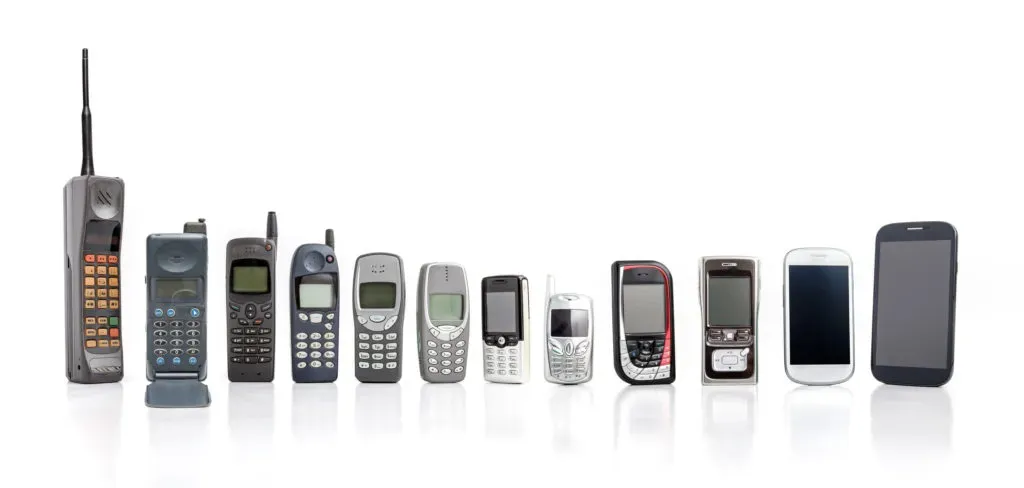
1990s-2000s — Rise of Mobile Computing

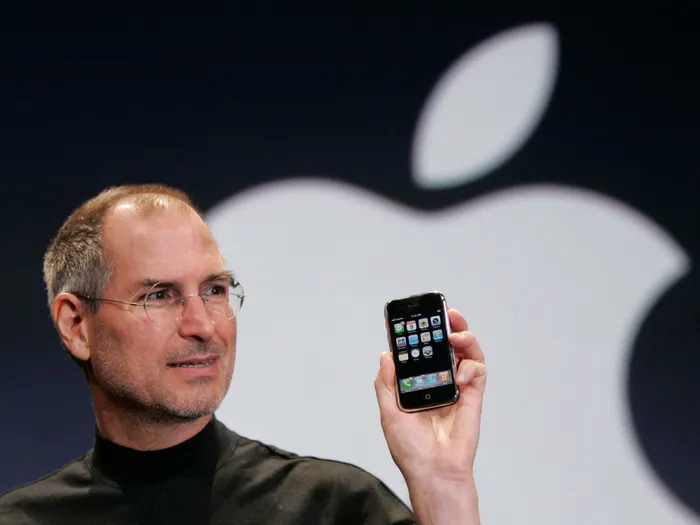
2007 — iPhone Launch and the Era of Smartphones
Apple's iPhone ushered in the modern smartphone era with its revolutionary multi-touch interface and app ecosystem. By eliminating the physical keyboard in favor of a larger touchscreen and virtual keyboard, the iPhone marked a significant paradigm shift compared to the dominant smartphones of the time like BlackBerry
Despite advancements such as voice assistants and dynamic widgets, the core interaction model of modern smartphones has remained largely unchanged for nearly two decades. iOS 1 (2007) and iOS 17 (2023) are fundamentally similar, with a notable change being the shift from skeuomorphism to flat design.
The mid-2000s saw the rise of social media and the attention economy, yet the operating system interfaces remained largely the same. Interacting with phones still involves navigating paginated screens. The device essentially serves as a vessel for apps that are competing for the user’s screen time, engagement and attention.


2010s-2020s — Rise of Spatial and Ambient computing
VR headsets, augmented reality, voice assistants, smart home devices, wearables and such ambient and spatial computing devices gained popularity in the mid-2010s.
2024 and beyond — Dawn of the AI Revolution
This year marked a significant milestone in the integration of AI into consumer devices, ushering in a new era of intelligent and intuitive computing. The launch of OpenAI's ChatGPT in late 2022 sparked a wave of innovation, with tech companies racing to integrate generative AI capabilities and build AI-first experiences.
One of the most notable devices to emerge was the Rabbit R1, a pocket-sized AI assistant capable of performing actions such as booking transportation and making reservations, primarily through voice interactions. Wearable AI devices also gained traction such as Tab AI, an always-on AI companion, and Humane's AI Pin, which offers a screenless, voice-controlled experience that can project information onto the user's hand and answer questions.
These devices move away from traditional GUI visual interactions and reject current UI paradigms by operating primarily through voice interfaces. User interfaces are being fundamentally refined in this next frontier of AI devices. While these first-generation devices are not yet capable of replacing smartphones as standalone devices, they demonstrate the vision and promise of our near future where AI devices usher in an era of ambient intelligent computing.
As we progress into the future, the lines between AI and everyday devices will continue to blur, leading to a world where intelligent agents, assistants and companions seamlessly integrate into our lives, significantly enhancing productivity and transforming human-computer interaction in unprecedented ways.


Made on mmm